
Content for local use
Develop drafts from textbooks and training resources, then review language and examples with local educators.
What stays with the institutionLocal language courses and agreed terminology
PUBLIC SECTOR & ODA
Build education that partner institutions can carry forward.
Turn educational materials and expert knowledge into local language courses. Connect AI tutoring with learner management to support continued delivery.
LEIA Business for public agencies, implementing partners and overseas education institutions
AI supports preparation. Local educators shape the result.
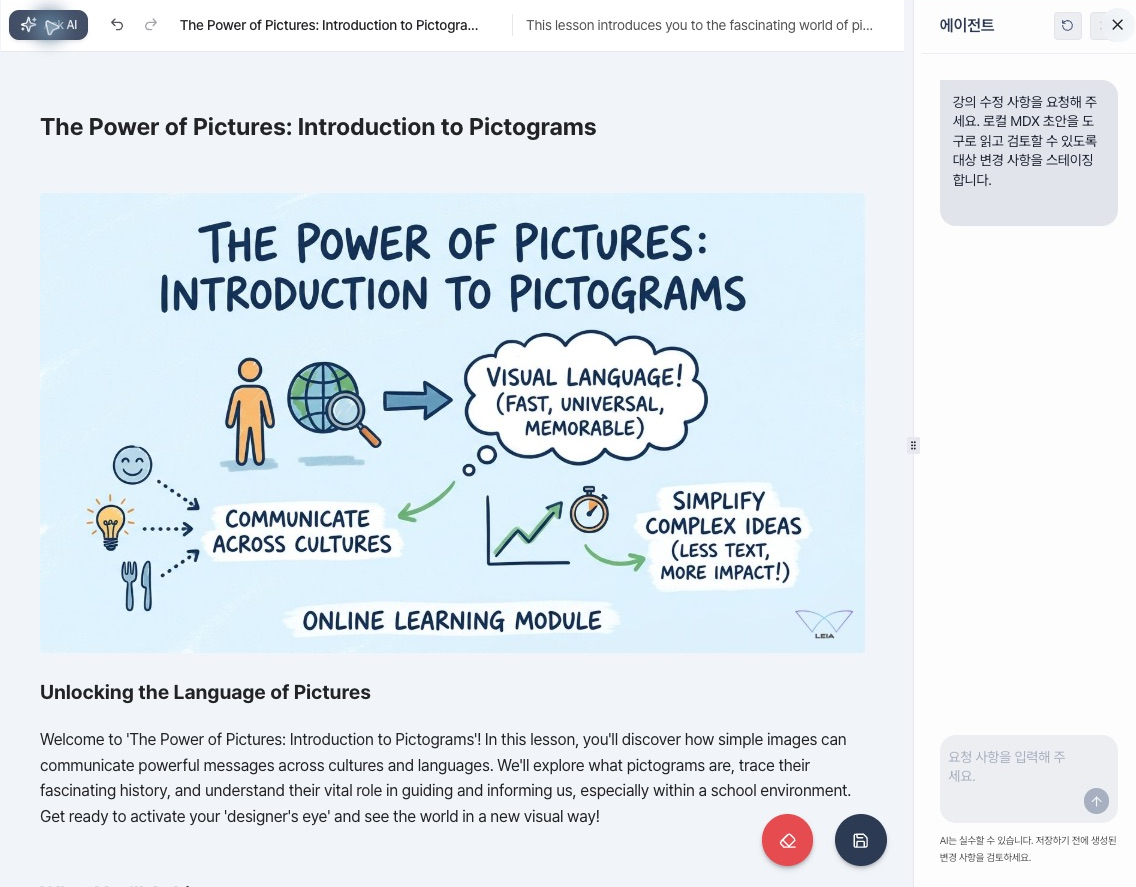
Actual product example · Korean interface
Structure courses from existing materials
Review language and local context
Deliver, assess and reuse
WHY LEIA BUSINESS
Education cooperation needs relevant content, educators who can deliver it and a way to prepare the next cohort. LEIA Business helps connect these activities.
Develop drafts from textbooks and training resources, then review language and examples with local educators.
Educators configure the AI tutor’s approach and knowledge sources. Learners can ask questions and revisit lessons.
Manage team roles and learner progress, then update and reuse the content in subsequent programmes.
ONE CONNECTED WORKSPACE
Create and translate lessons, invite learners and review assessments. Use Business collaboration, branding and the student learning space together.
Structure chapters and lessons from textbooks, lesson plans and expert knowledge. Prepare text, slides, narration, quizzes and assignments around learning objectives.
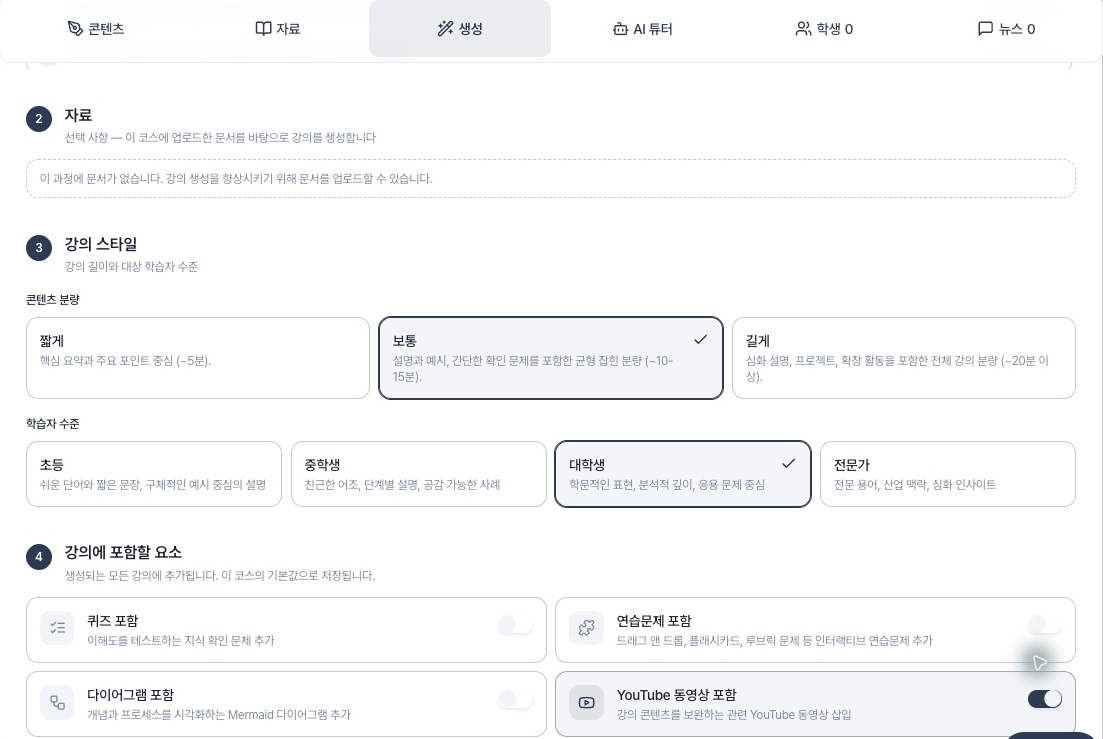
Create language versions and review local terminology and cultural relevance. Test translation and voice quality in the target language using a representative lesson.
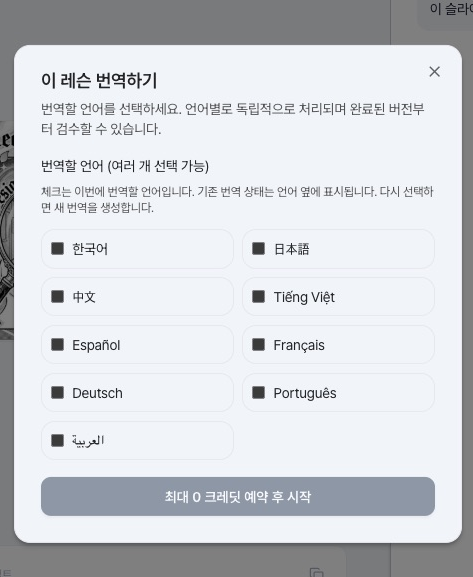
Educators configure the tutor’s tone, teaching approach and knowledge sources. Test representative questions before bringing the tutor into learning.
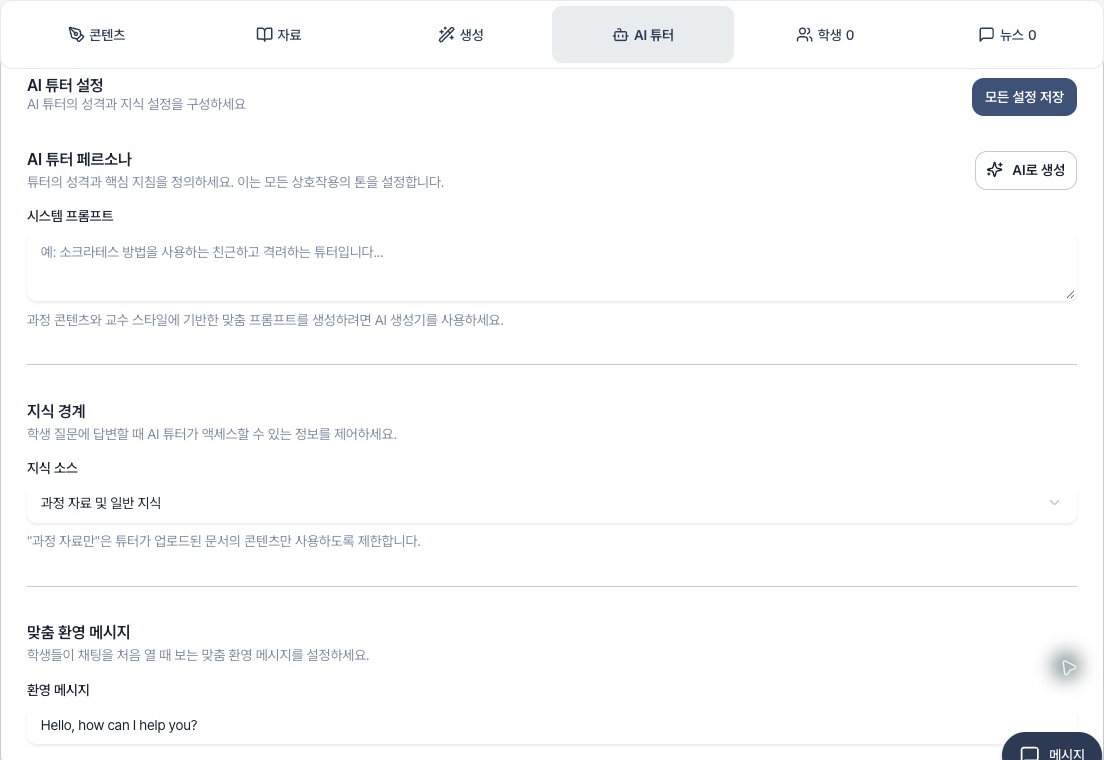
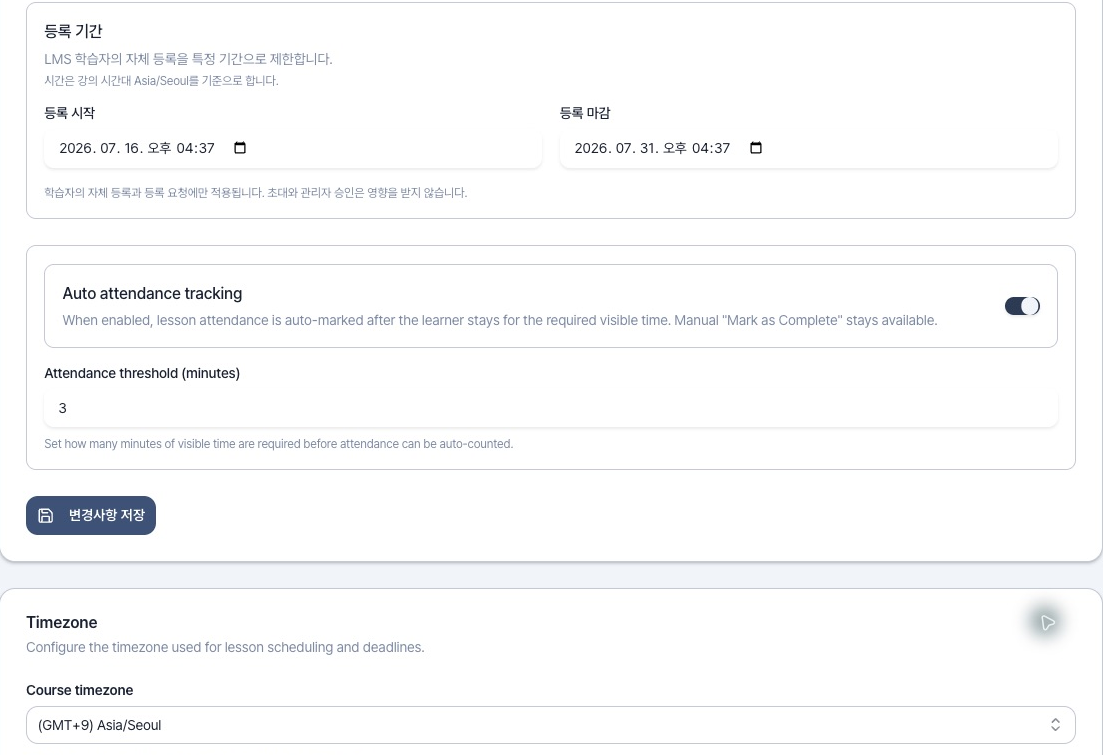
Use enrolment, invitations, progress, completion, quizzes, assignments, gradebook, attendance and scheduling. Apply institutional branding and collaborate with team members.
Educators review content before release. Confirm features and the scope of use during adoption discussions.
DESIGNED FOR EDUCATION COOPERATION
Illustrative scenarios for programme design.
Teacher training institutes · Education faculties
Prepare a common training structure, then let local educators create and review lessons using their own subject materials. Develop local trainers who can lead subsequent delivery.
Vocational schools · Training centres
Prepare short foundation lessons and knowledge checks before practical sessions. Connect in person practice with assignments and feedback.
Educators · Education administrators
Cover shared concepts before travel and focus group sessions on discussion and practice. Continue with workplace application tasks and revision after participants return home.
Proposed uses, rather than deployment references or evidence of measured learning impact.
START SMALL, LEARN TOGETHER
Use a small pilot to assess language quality, local operating fit and actual costs before agreeing the next step.
Eight week pilot · Illustrative timingDefine the course, audience, connectivity and responsible teams.
Draft the course and review its language and curriculum fit.
Deliver learning and gather records and educator feedback.
Agree improvements, continued delivery and the operating budget.
Use enrolment, progress, completion and assessment records alongside institutional baseline and follow up assessments and application studies. Examine learning changes as well as educator operating capacity.
Platform records are inputs to monitoring and evaluation. Completion alone does not establish learning impact or ODA outcomes.
BUILT FOR CONTINUITY
Include a pilot task in which local operators edit a course and prepare subsequent delivery themselves. Agree responsibility for materials, language review and content updates.
Define learning objectives, audiences, programme scope and measures of success.
Review curriculum and language, then manage learning, assessment and content updates.
Web courses and the AI tutor require internet access. Consider educator led delivery or small group rotation for the local context. Exported PDFs and videos can supplement teaching; they do not carry the AI tutor or platform learning records with them.
Business pricing and included credits are agreed commercially. Consider institutions, lessons, languages, period of use and generation volume. Also agree the scope and cost of localization review, educator development, local access and handover.
Review data retention and export, access roles, security and privacy requirements, and connections to existing systems during adoption discussions. API and MCP connections may be considered within the programme scope. Confirm each institution’s requirements and the scope offered.
TAKE A CLOSER LOOK
Eight pages covering application scenarios, a pilot approach, evaluation and local operating capacity.
LET’S BUILD THE FIRST COURSE
Tell us about the partner institution, learning objectives and materials you already have. Explore local language content, AI tutoring and learning management in one course.